Source Vintage White Pleated Floor Lamp for Home, Hotel, Study
Compare 30 vintage white pleated floor lamp options from China. These modern and traditional styles feature iron or wood materials, offering versatile lighting for bedrooms, hotels, and living rooms with various certifications and voltage options; compare the available evidence and request quotations based on your requirements.
Key considerations
Products List


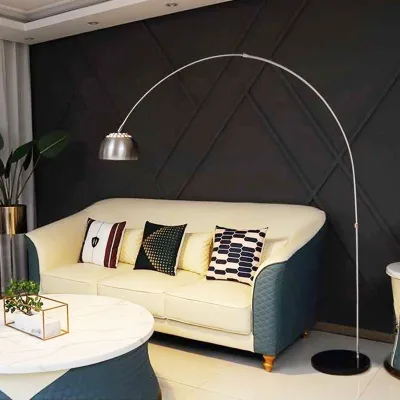


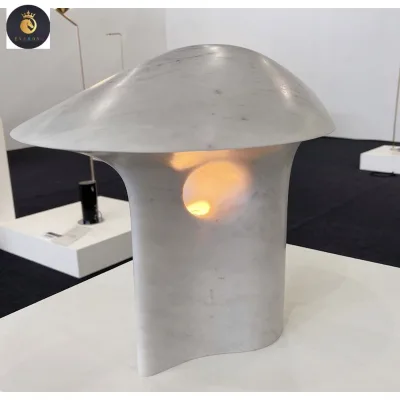


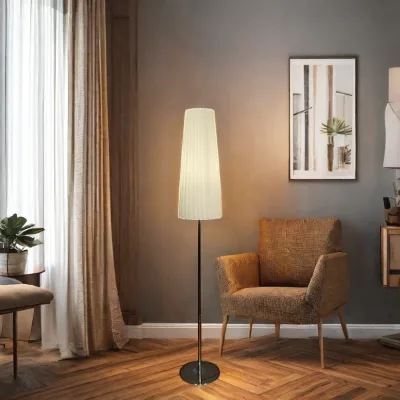
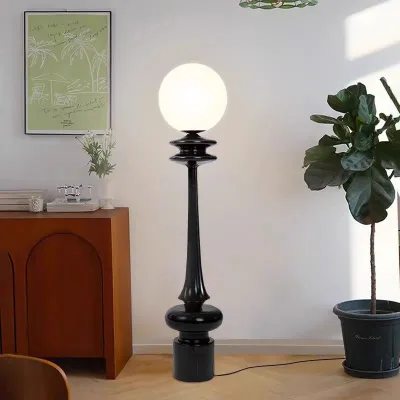

Comprehensive Sourcing Guide
Vintage White Pleated Floor Lamp Sourcing Guide
Sourcing vintage-style white pleated floor lamps requires balancing aesthetic authenticity with modern electrical safety standards. Buyers must distinguish between decorative fixtures that lack integrated light sources and complete units ready for immediate installation. The observed market includes models with varying wattages, from low-energy LED options to higher-wattage incandescent or halogen setups, necessitating careful verification of the lamp holder type and bulb inclusion.
Procurement teams should prioritize suppliers who offer customization options for shade pleating density and base materials. While many listings feature iron or wood constructions, the specific finish and structural integrity vary significantly. Verifying the voltage compatibility, typically ranging from 110V to 240V, is critical for international distribution. Buyers must also confirm whether the product includes the light source or requires separate procurement, as this impacts total landed cost and inventory complexity.
Product Scope and Observed Listing Signals
The current market landscape for vintage white pleated floor lamps shows a wide price range, observed between $9.90 and $500 USD, reflecting differences in material quality and brand positioning. Minimum order quantities (MOQs) vary from single units to 300 pieces, allowing flexibility for both sample testing and bulk procurement. Buyers should note that "vintage" is a stylistic descriptor rather than a technical specification, so visual inspection of pleat uniformity and fabric opacity is essential before committing to large orders.
Product attributes indicate a strong focus on modern and traditional styles, with applications spanning bedrooms, hotels, living rooms, and study areas. Some listings specify an illumination area of 16-30 square meters, suggesting suitability for medium-sized residential spaces. The presence of both "with light source" and "without light source" variants means buyers must explicitly confirm the package contents. Additionally, color options like matte white or brushed antique brass allow for tailored interior design schemes, enhancing the lamp's versatility in diverse decor contexts.
Technical Specifications to Verify
Technical due diligence must begin with the light source type and wattage. Observed data includes energy-saving LEDs, incandescent bulbs, and halogen options, with wattages ranging from 16-20W up to a maximum of 150W. Buyers should verify the lamp holder base type, such as E27, E14, or GU10, to ensure compatibility with desired bulbs. The rated average life of 8000 hours for some models contrasts with LED lifespans exceeding 20,000 hours, directly impacting long-term maintenance costs and replacement frequency for end-users.
Electrical specifications require careful review, particularly regarding voltage and power source. Most units support AC power with a wide input range of 110-240V, suitable for global markets. However, some models may specify 110V only, requiring transformers for other regions. Switch types, such as push-button switches, and battery requirements for remote controls should be confirmed. The product weight, observed at around 10kg for certain models, influences shipping costs and structural stability, so verifying the base material, often iron or wood, is crucial for durability.
Compliance and Safety Documentation
Compliance verification is non-negotiable for floor lamps, especially those with vintage aesthetics that may obscure modern safety features. Buyers must request valid certification documents, with common marks including CE, RoHS, GS, VDE, UL, and ETL. The presence of multiple certifications across different listings indicates that suppliers often cater to diverse regulatory markets. It is imperative to match the certification to the destination country, as UL and ETL are required for North America, while CE and GS are standard for Europe.
Documentation should also cover low-voltage directives (LVD) and specific regional standards like PSE for Japan or SAA for Australia. Buyers should verify that the electrical components, including wires and plugs, meet local safety codes. The absence of a light source in some models shifts the compliance burden to the bulb manufacturer, so buyers must ensure the included or recommended bulbs are also certified. Requesting test reports for heat dissipation and electrical insulation is advisable to prevent fire hazards, particularly in high-wattage configurations.
Cost Drivers and Commercial Terms
Cost structures are influenced by material choices, customization levels, and packaging requirements. Iron and glass materials, as seen in some listings, offer durability but may increase weight and shipping costs. Customization options, such as specific pleat patterns or base finishes, often incur additional tooling or setup fees. Packaging standards vary, with some suppliers using simple cartons while others employ PE foam and reinforced paper cartons to protect delicate pleated shades during transit, impacting both unit cost and damage rates.
Commercial terms should clearly define who bears the cost of certifications and sample production. Buyers should negotiate MOQ flexibility for initial orders to test market response. Lead times can vary based on customization complexity, so establishing clear production schedules is essential. Payment terms should be structured to protect cash flow, with deposits for production and balance payments upon inspection. Understanding the total landed cost, including duties and freight, is vital for accurate margin calculation, especially when sourcing from regions like Guangdong, China.
Supplier Qualification and Quality Control
Supplier qualification requires assessing manufacturing capabilities and quality control processes. Buyers should verify the supplier’s experience with pleated fabric lamps, as this specialty requires precise stitching and shading techniques. Requesting factory audits or third-party inspection reports can reveal insights into production consistency and defect rates. Suppliers offering customized standards should demonstrate robust engineering support to ensure design feasibility and safety compliance.
Quality control checks must include visual inspections for pleat symmetry, fabric color consistency, and base stability. Electrical testing should verify proper grounding and switch functionality. Buyers should establish clear acceptance criteria for cosmetic defects, as vintage styles may have intentional imperfections that differ from modern precision standards. Implementing a pre-shipment inspection protocol helps catch issues before goods leave the factory. Building a relationship with suppliers who provide transparent communication and responsive customer service is crucial for resolving any post-delivery issues efficiently.
Long-Term Procurement Checks
Long-term procurement success depends on continuous monitoring of product performance and supplier reliability. Buyers should track customer feedback regarding light quality, shade durability, and electrical safety to identify potential design flaws early. Regularly reviewing certification renewals ensures ongoing compliance with evolving international standards. Maintaining a diversified supplier base mitigates risks associated with production delays or quality inconsistencies, ensuring supply chain resilience.
Sustainability considerations are increasingly important, with buyers preferring energy-efficient LED options and recyclable packaging materials. Evaluating suppliers’ environmental practices can enhance brand reputation and meet corporate social responsibility goals. Periodic renegotiation of terms based on volume growth and market conditions can improve profitability. Staying informed about emerging trends in vintage lighting design allows buyers to adapt their offerings to changing consumer preferences, ensuring long-term competitiveness in the home decor market.
FAQs
What certifications are available for vintage white pleated floor lamps?
Available certifications include CE, GS, VDE, RoHS, UL, ETL, LVD, PSE, SAA, and Saso. These ensure compliance with international safety and environmental standards for home and hotel use. Buyers should verify specific requirements for their target market to ensure regulatory adherence and product acceptance.
Can I customize the vintage white pleated floor lamp design?
Yes, customization is available for these floor lamps. Buyers can request specific modifications to meet unique design or functional needs. This flexibility allows for tailored solutions for various interior settings, including bedrooms, hotels, and living rooms, ensuring the product aligns with specific aesthetic or operational requirements.
What is the typical voltage range for these floor lamps?
The typical voltage range is 110-240V, accommodating global electrical standards. Some models support 110V or 220-240V specifically. This wide range ensures compatibility with various power systems, making the lamps suitable for international distribution without requiring additional voltage converters for most standard household applications.
What materials are used in vintage white pleated floor lamps?
Common materials include iron and glass, providing durability and aesthetic appeal. The iron frame offers structural stability, while glass elements may add decorative value. These materials are selected for their longevity and ability to support the modern or traditional styles often associated with vintage-inspired lighting fixtures for home use.
What is the expected lifespan of the LED light source?
The LED lifespan is typically rated at 20,000 hours or more. Some models indicate an average rated life of 8,000 hours. This longevity reduces replacement frequency and maintenance costs, making them a practical choice for residential and commercial applications like hotels, villas, and family living spaces.
What is the packaging method for shipping these floor lamps?
Packaging options include carton, PE foam plus paper carton, or specific dimensions like 50*35*20cm. These methods ensure safe transit and protection against damage. The choice of packaging depends on the specific model and supplier, aiming to balance cost-efficiency with adequate protection for the product during international shipping.